info
/

the Burden of Omotenashi : hospitality as Emotional labour never alone : japan
The wonder that is Japan - as a concept, is an intense experience and unlike anything ever lived.
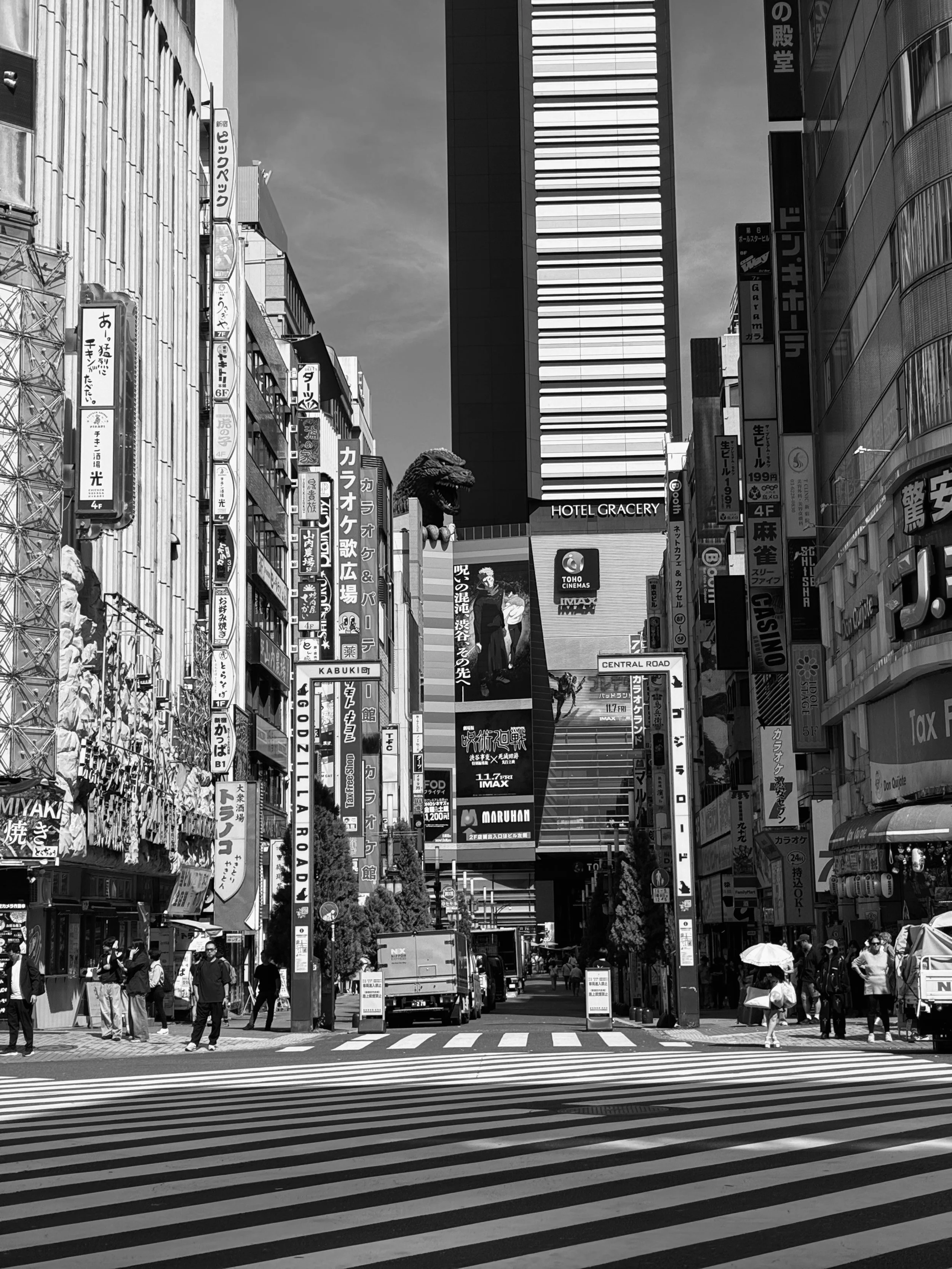
A country where you are never alone, yet there is an inexplicable calm in a system that looks so complex, the buildings, the sublime infrastructure, the tough rules, the brouhaha is palpable in the air, yet a beautiful stillness that carries weight is sensed on the streets, with a silence that feels inhabited, and the Japanese people embody every aspect of the society they have conjured, heavy, and with constant responsibility.
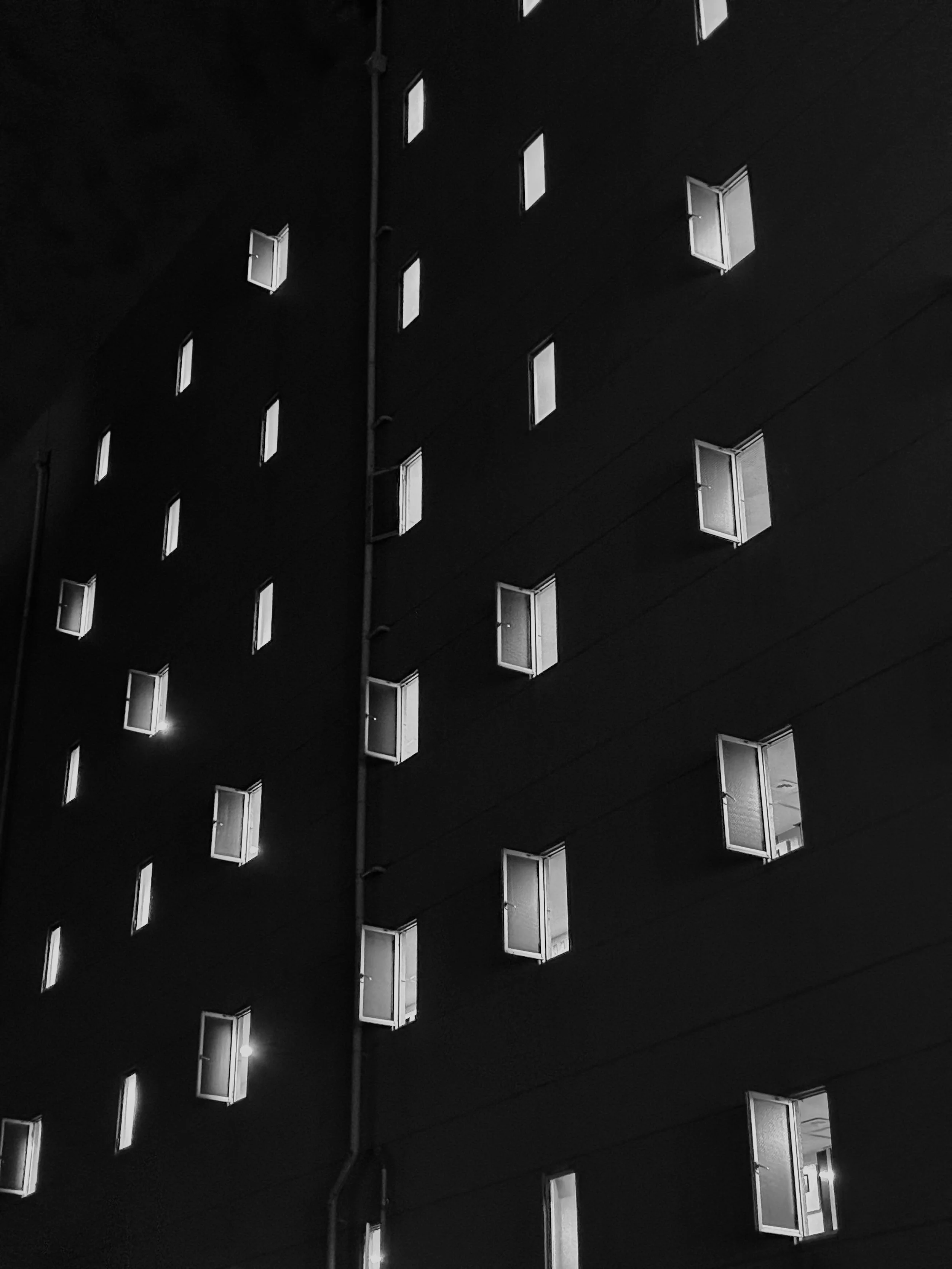
Japan’s so-called “tourism mess” is not just as a problem of numbers, but as a collision between economic necessity, fragile social order, and deeply ingrained cultural rhythms.
Japan’s tourism surge is not accidental chaos—it is state-engineered. Post-bubble stagnation, an ageing population, and a shrinking workforce pushed tourism to become a soft economic lifeline. The weak yen intensified this, turning Japan into a “cheap paradise” for global tourists. Cities like Kyoto, Tokyo, Osaka became pressure points, absorbing volumes they were never socially designed to hold.
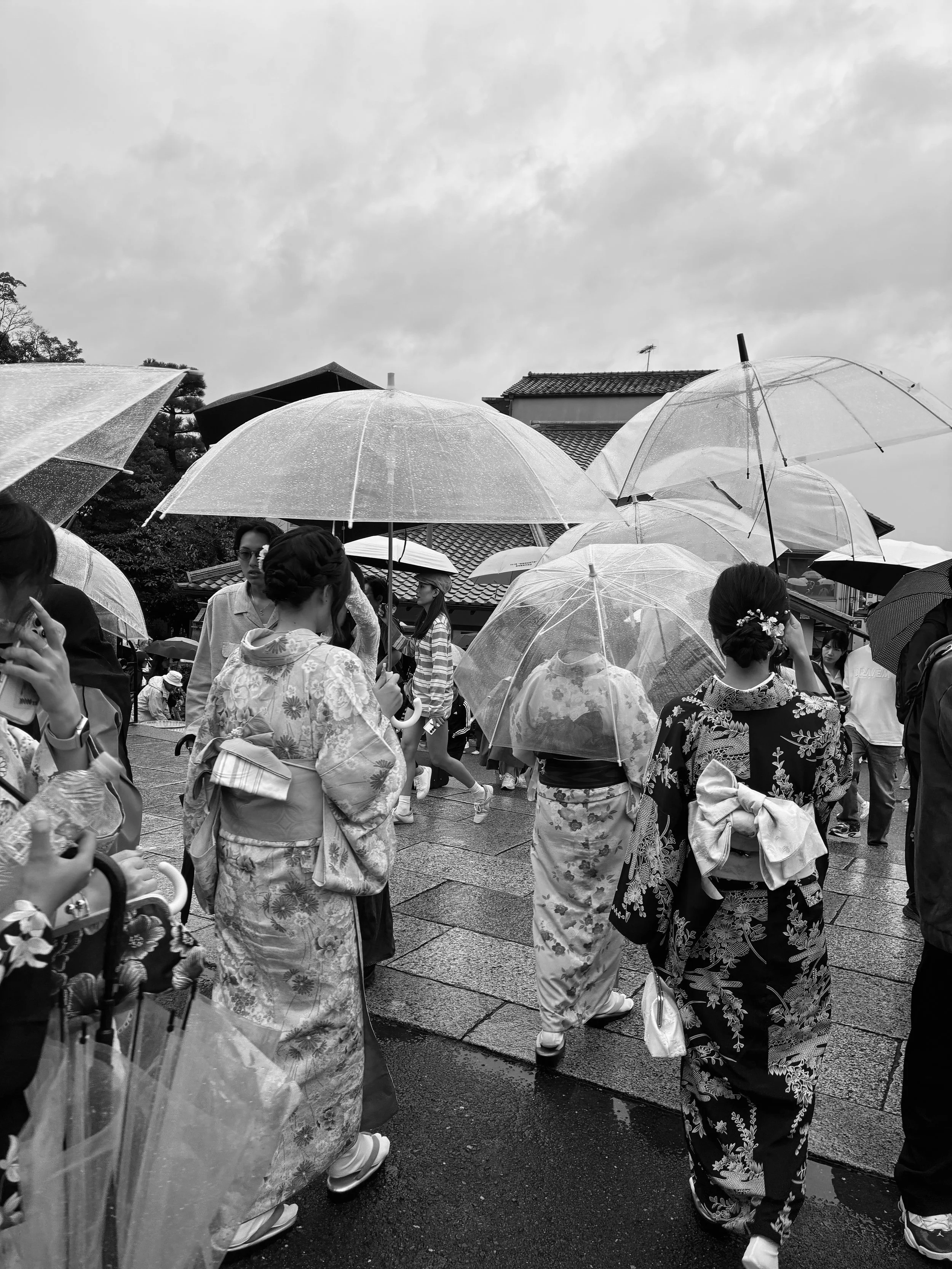
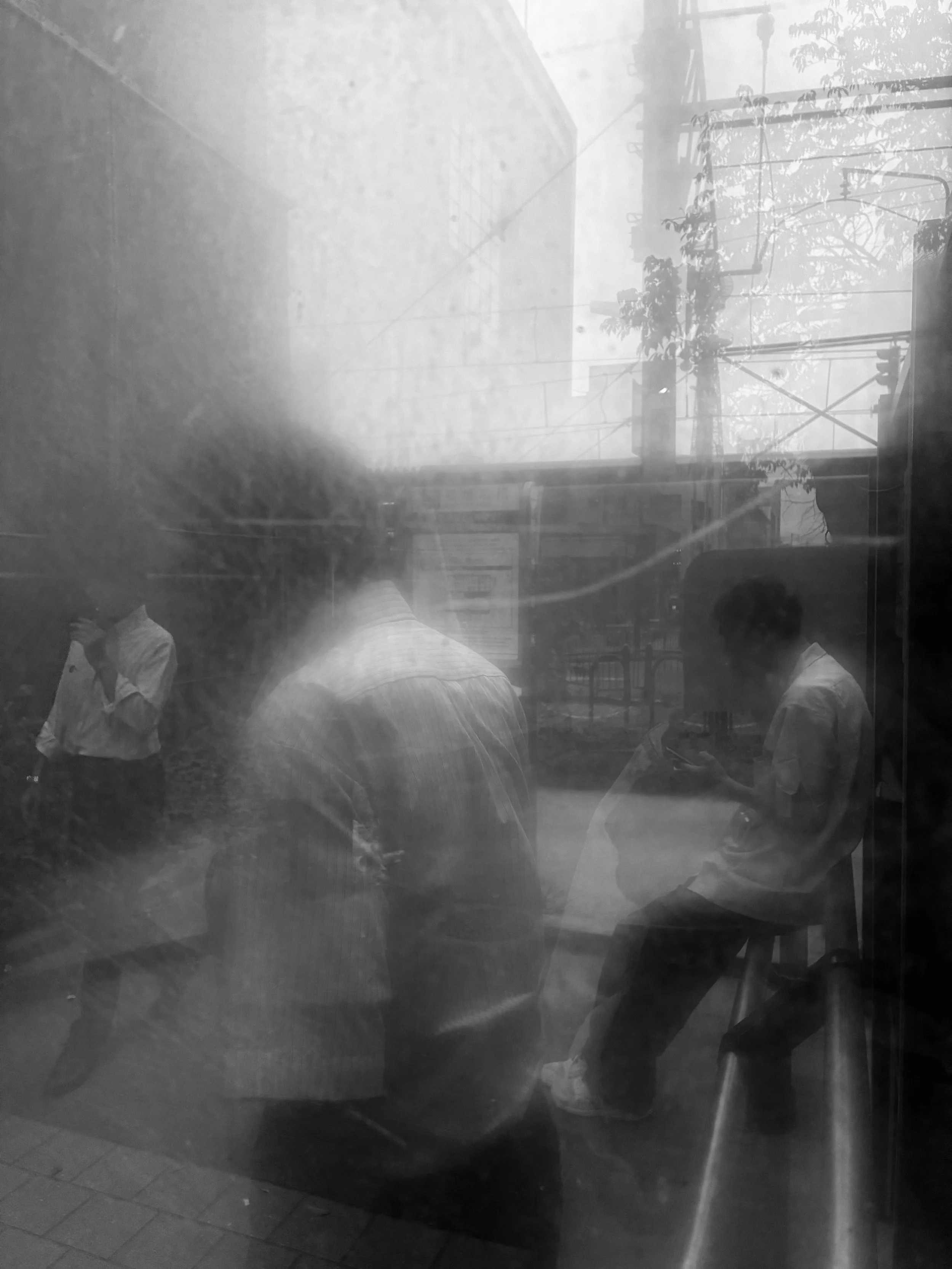
This is a candid, structural portrait of work, repetition, and emotional compression in contemporary Japanese society.
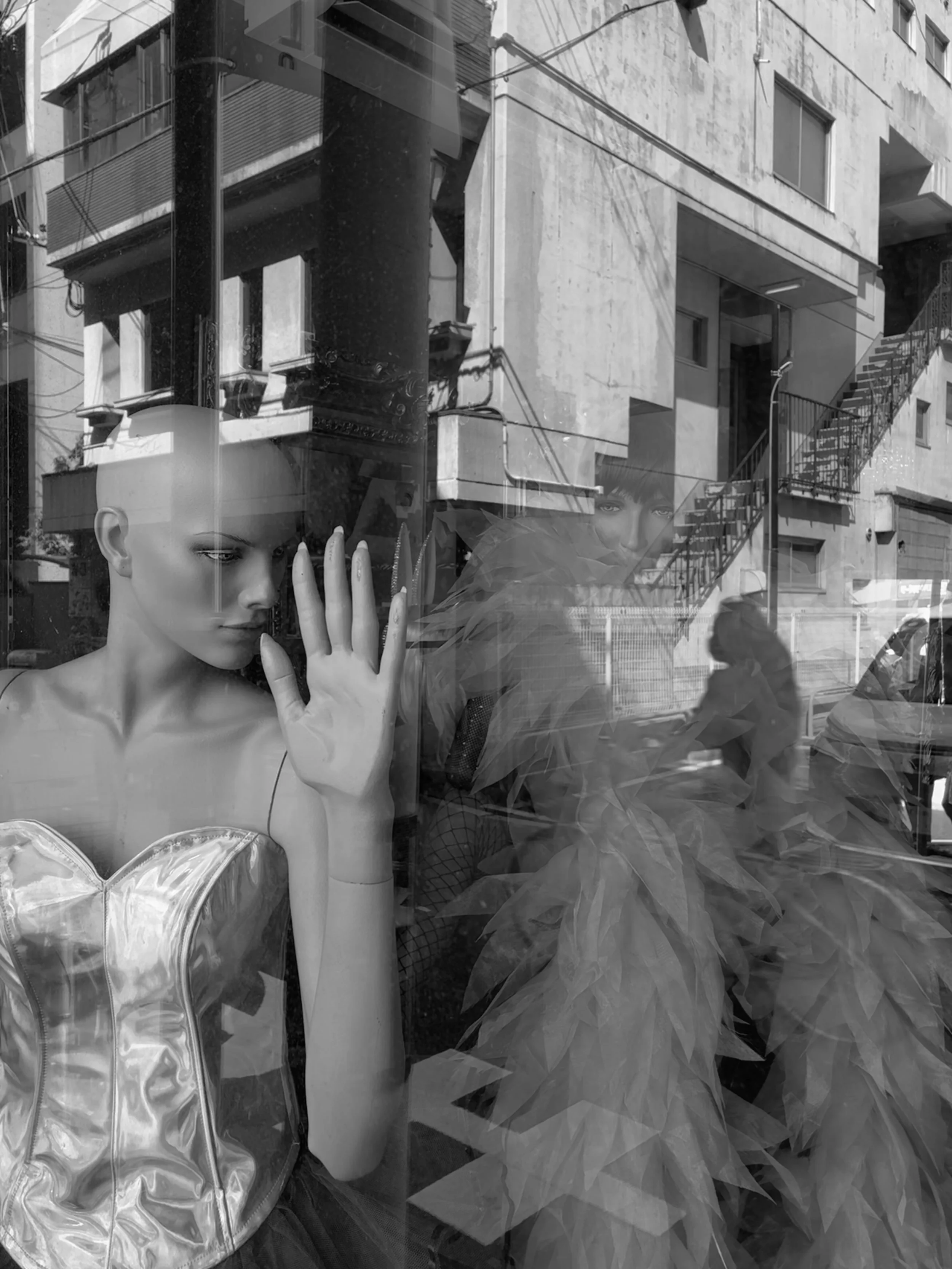
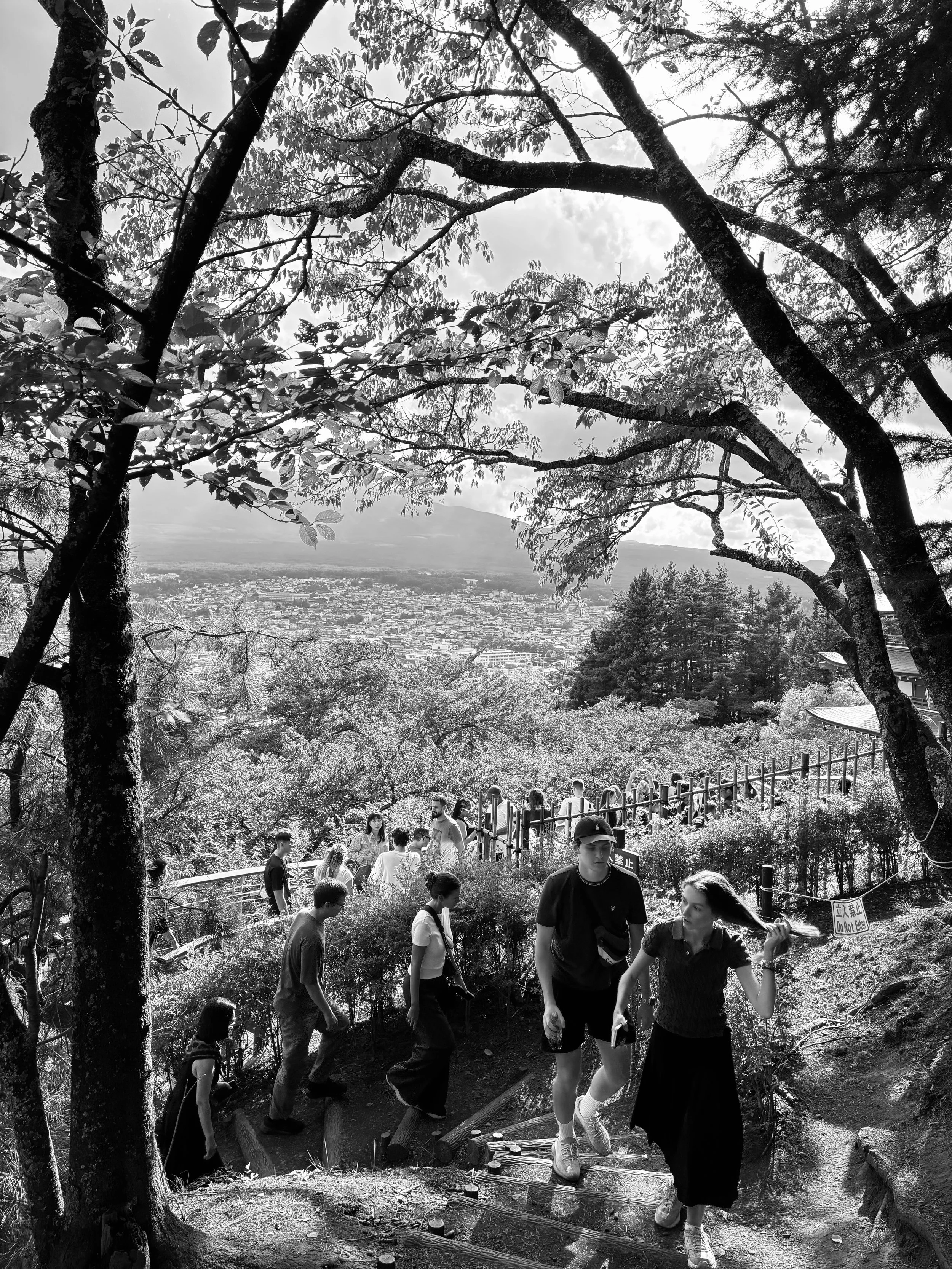
Japanese social life operates on routine, punctuality and unspoken behavioural contracts, and tourism introduces unpredictability, noise and constant visual extraction (photography, filming, consumption of culture as spectacle) - This creates a temporal violence—locals move in measured rhythms, while tourists move in bursts, fuelling key tensions as tourists pass through space, and residents live inside it - the mess is not crowding alone, but misaligned ways of occupying time and space.
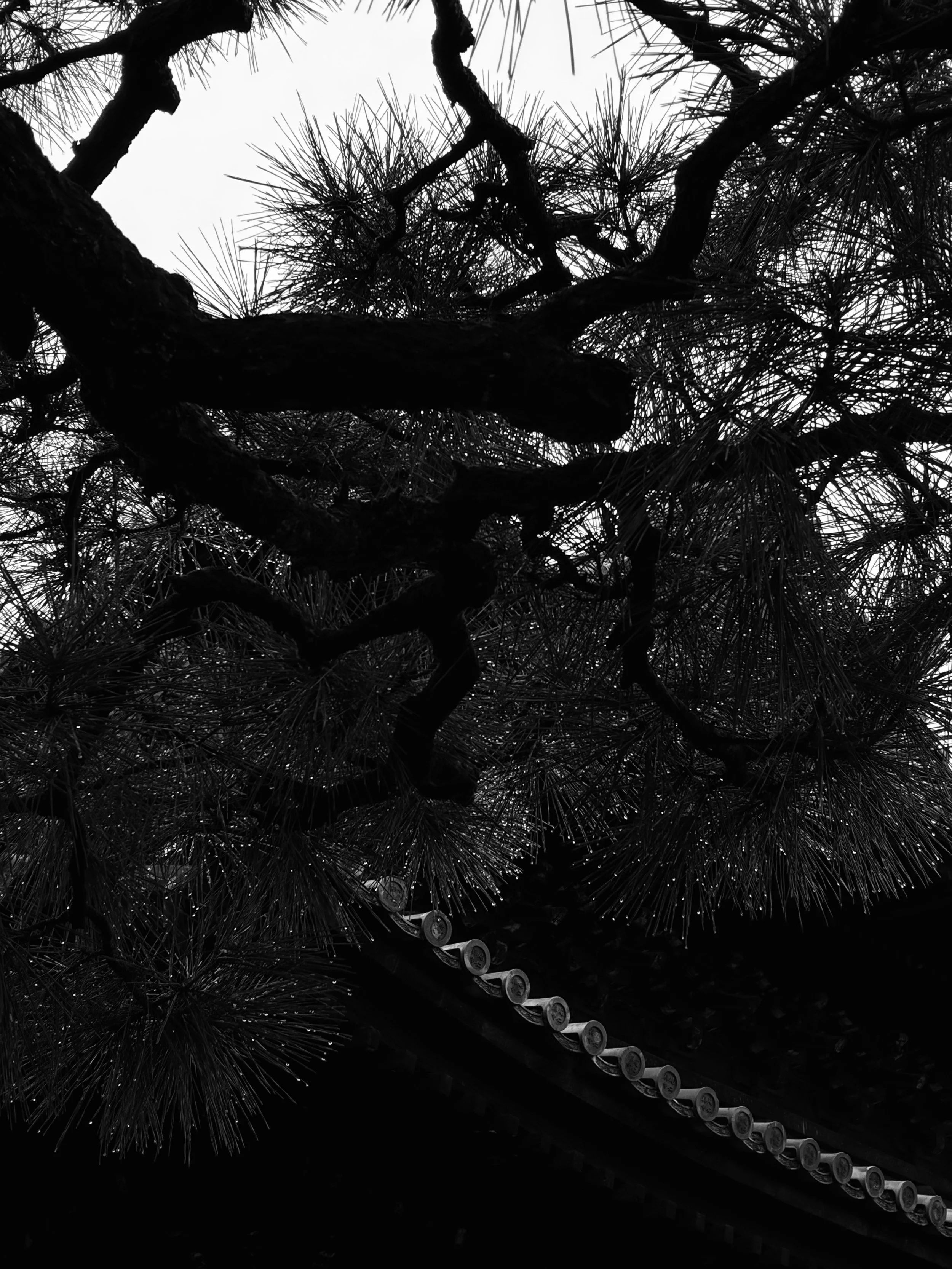
Emotional exhaustion accumulates without public rupture. An interpretive angle - The tourism mess is a silent one—experienced internally, endured politely, and rarely confronted directly. This mirrors the broader psychosocial themes of - endurance over expression. Japan is not overwhelmed by visitors—it is overwhelmed by being constantly looked at.
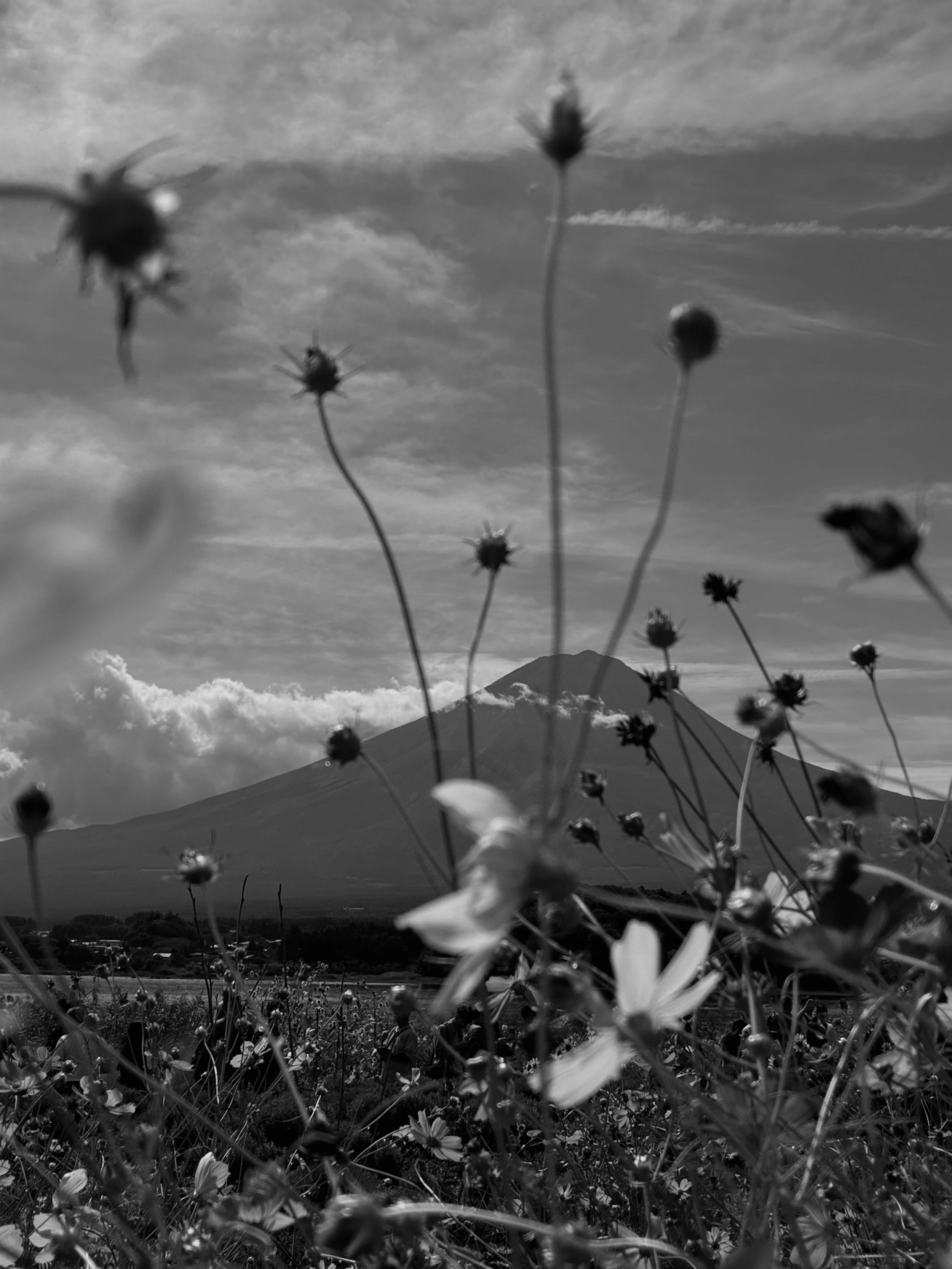
Japanese show extreme social order, mutual coordination and minimal interaction. Japan is a society that functions perfectly, but at the cost of emotional visibility and spontaneous connection - they move through the system, not with it.
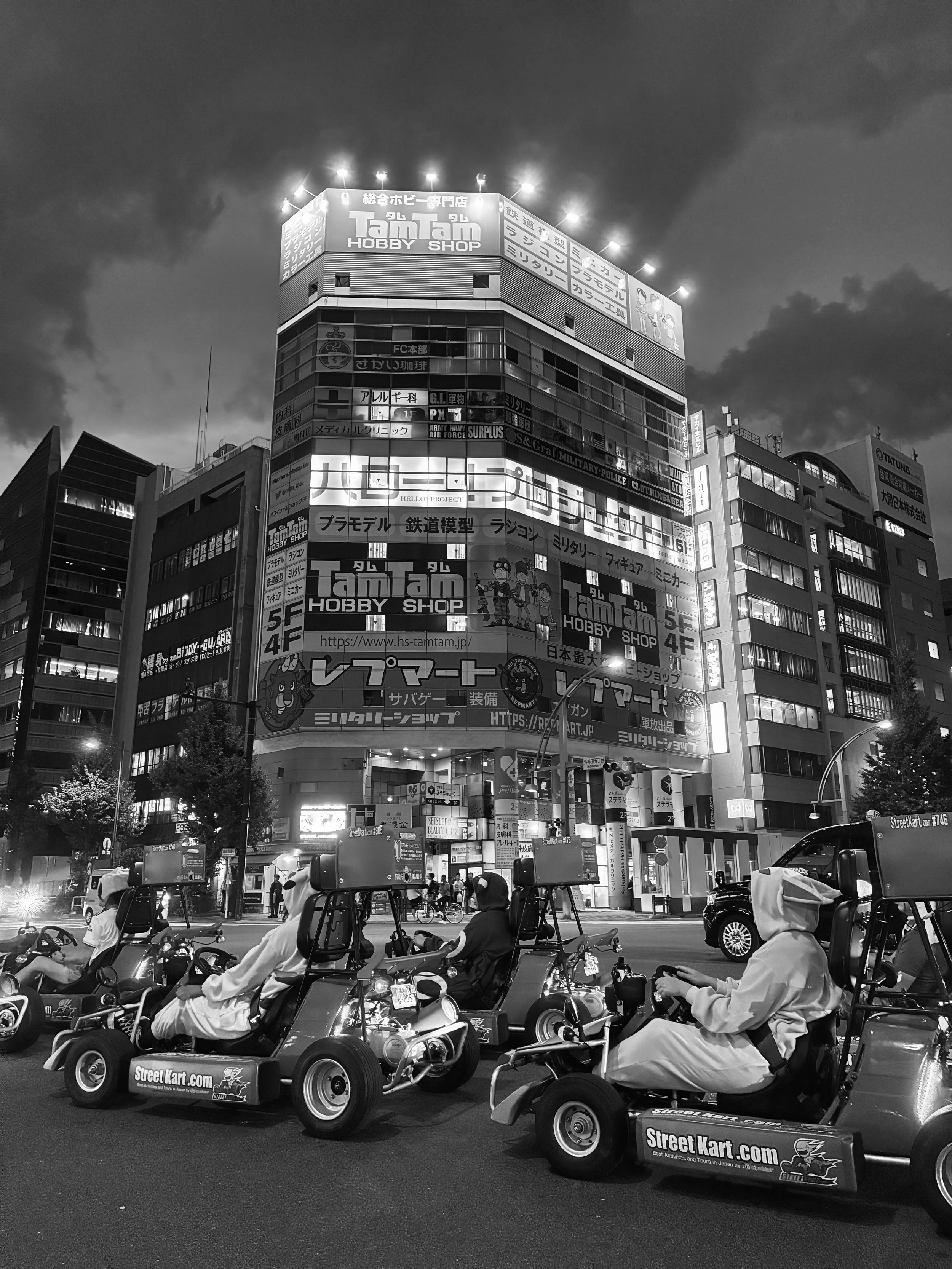
For Japanese people, connection often exists as co-presence, not dialogue. They are not disconnected from culture— they are living in a culture that has taught them to minimise emotional spillover.
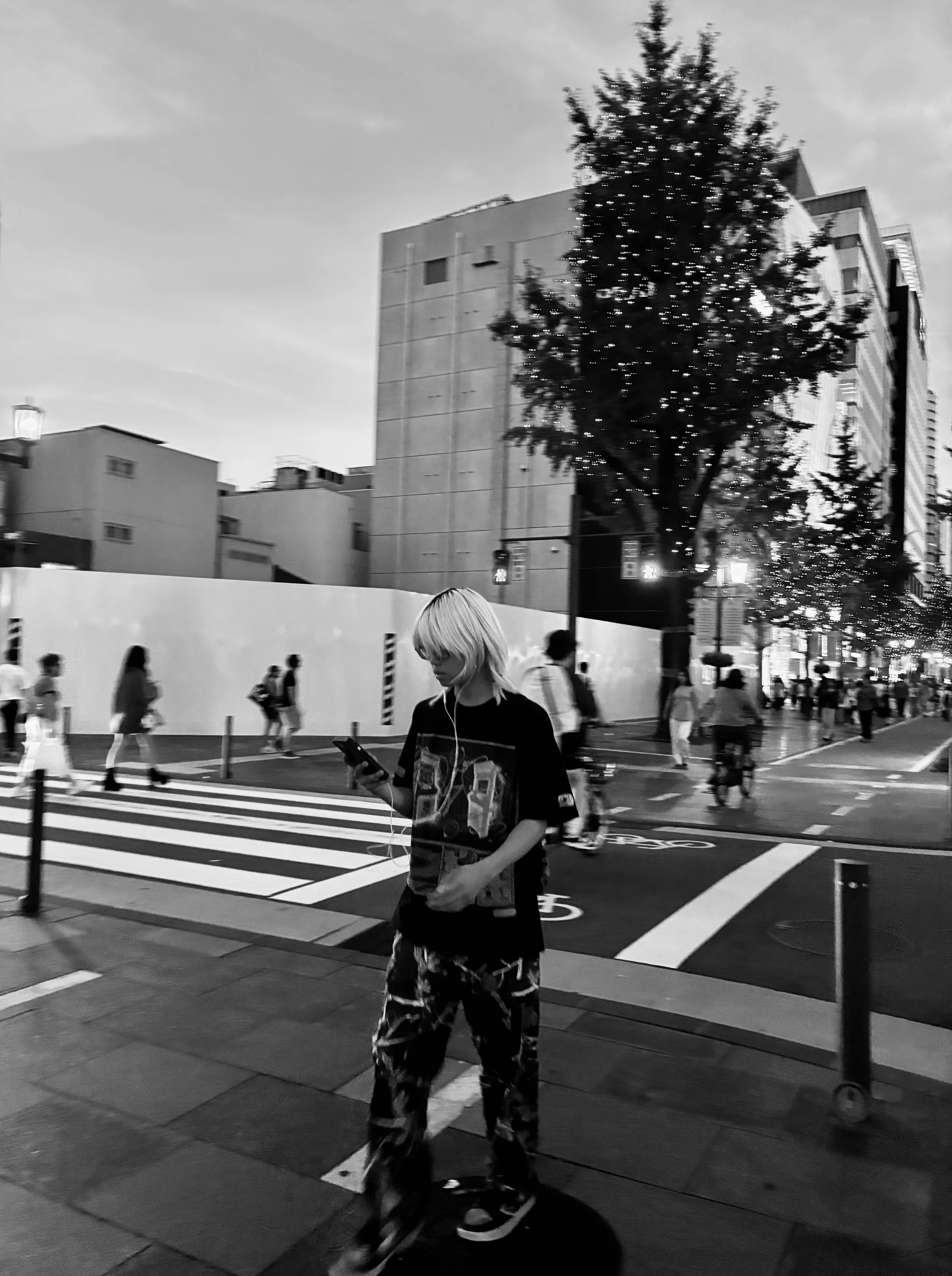
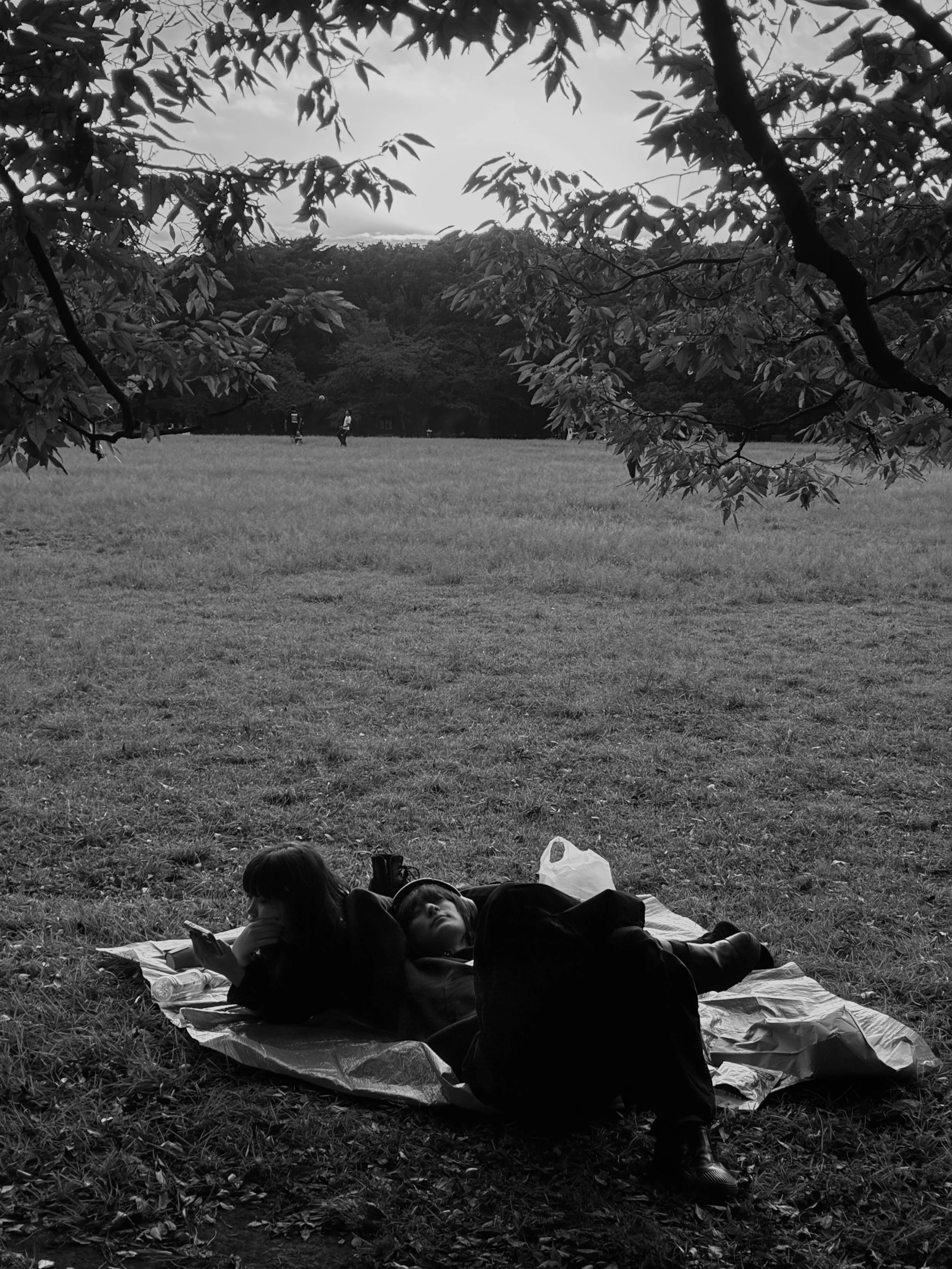
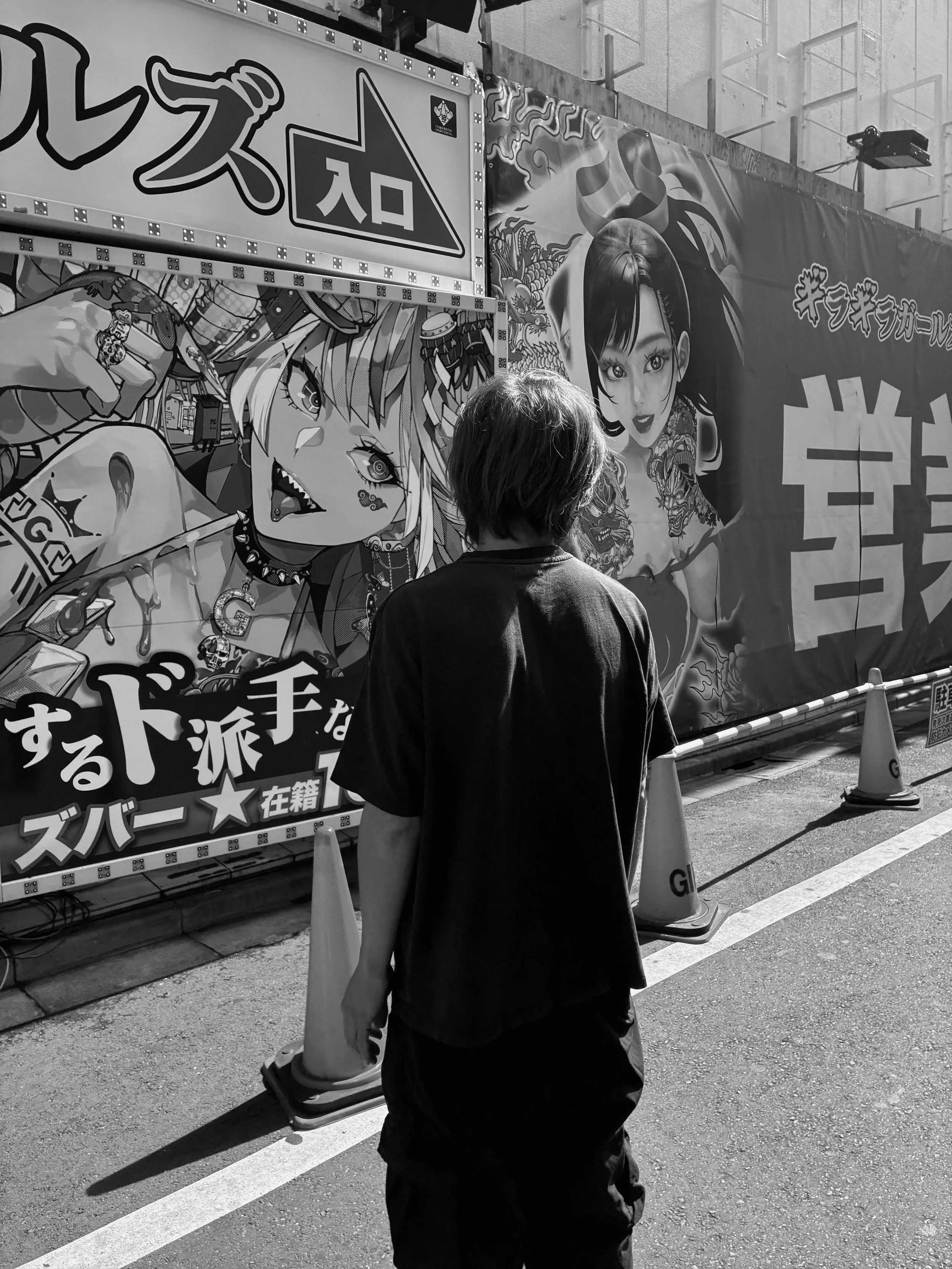
This work does not show rebellion - It shows fatigue.
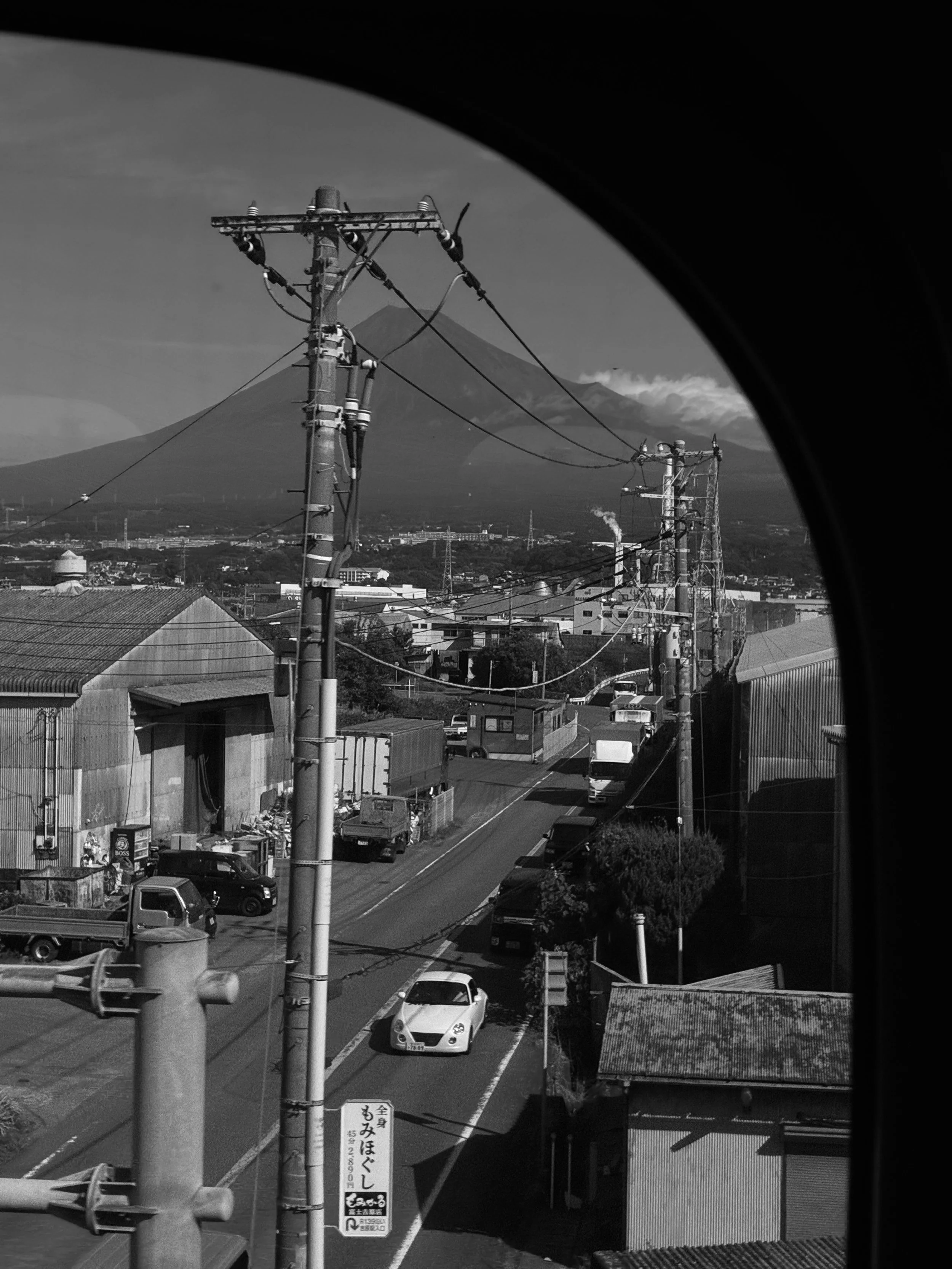
The “mess” emerges when a society built on predictability, restraint, and spatial discipline is suddenly asked to perform hospitality at an industrial scale.
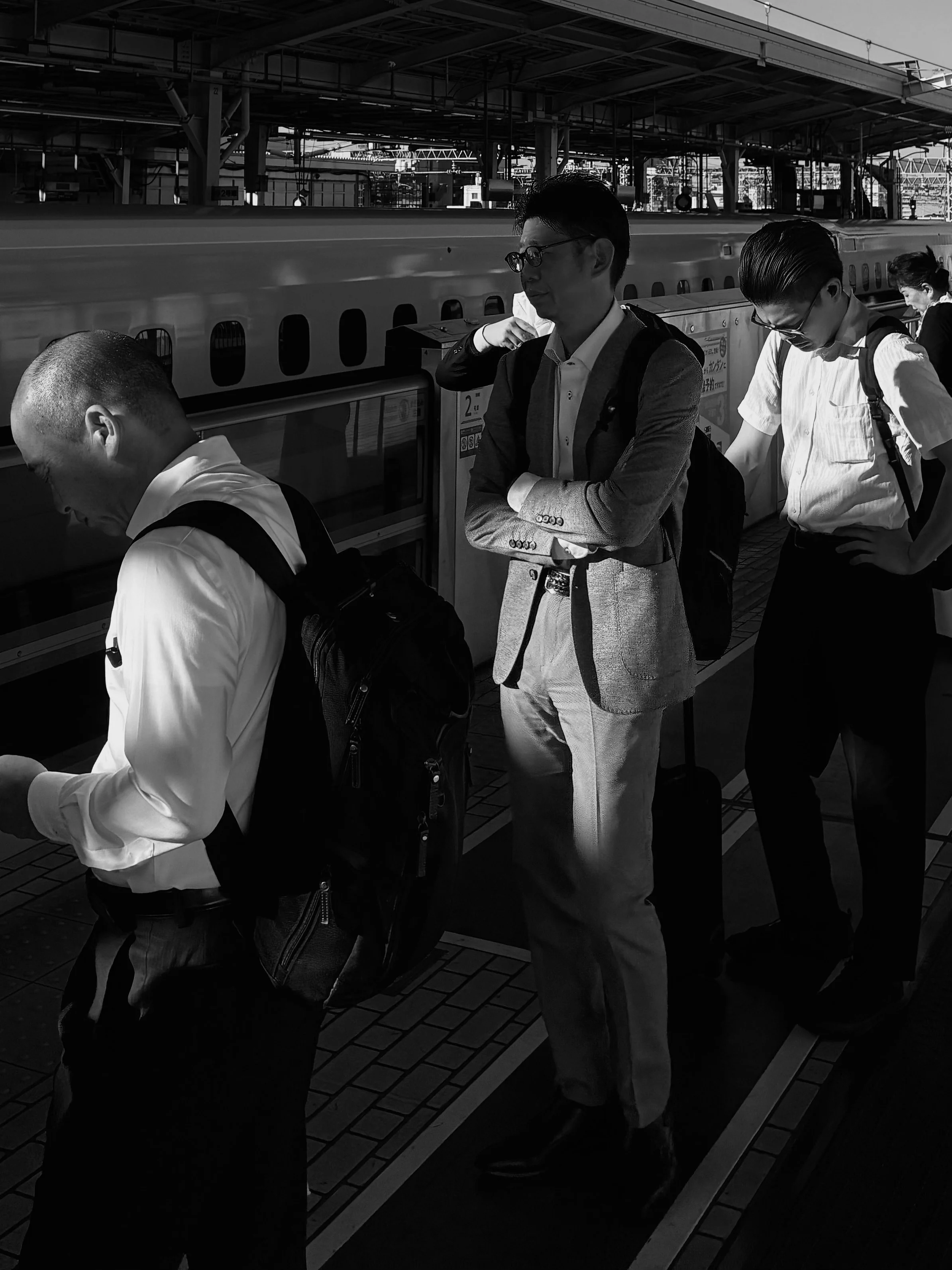
For such a small island, with such a brutal history, and incessant environmental challenges, they have resurrected from the ashes, kept tradition, culture and technology as friends to be one of the formidable forces yet their currency is falling - all this comes at a mental cost, an exhaustion that is all encompassing, manifesting in generations of depressed people, especially a large number of disgruntled youth that are renegotiating their relationship with society under extreme structural pressure.
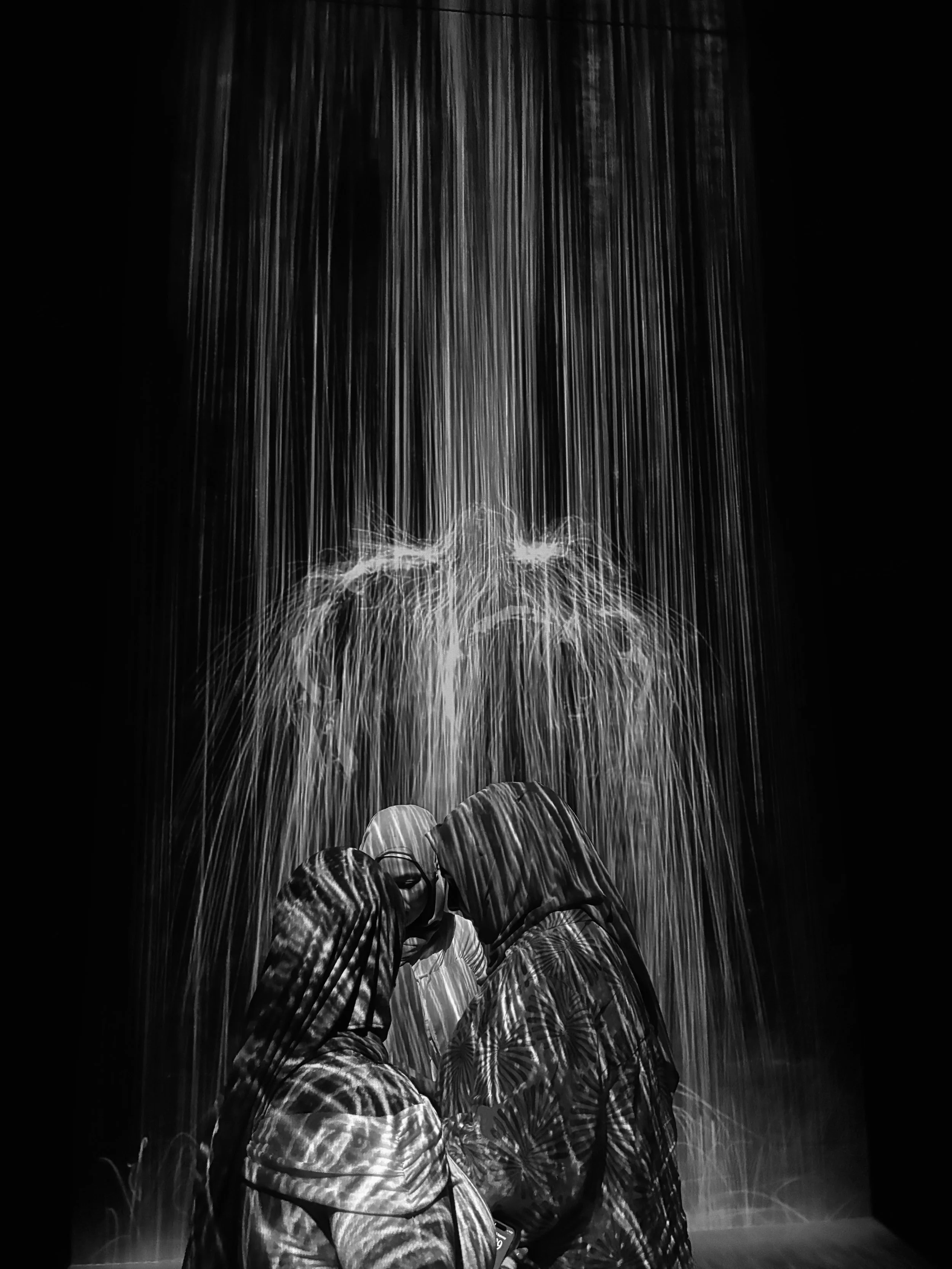
Japan’s globally admired hospitality ethic—omotenashi—becomes a trap at scale. Service workers must remain polite, apologetic, and invisible even under stress. Complaints are absorbed quietly, not protested loudly.
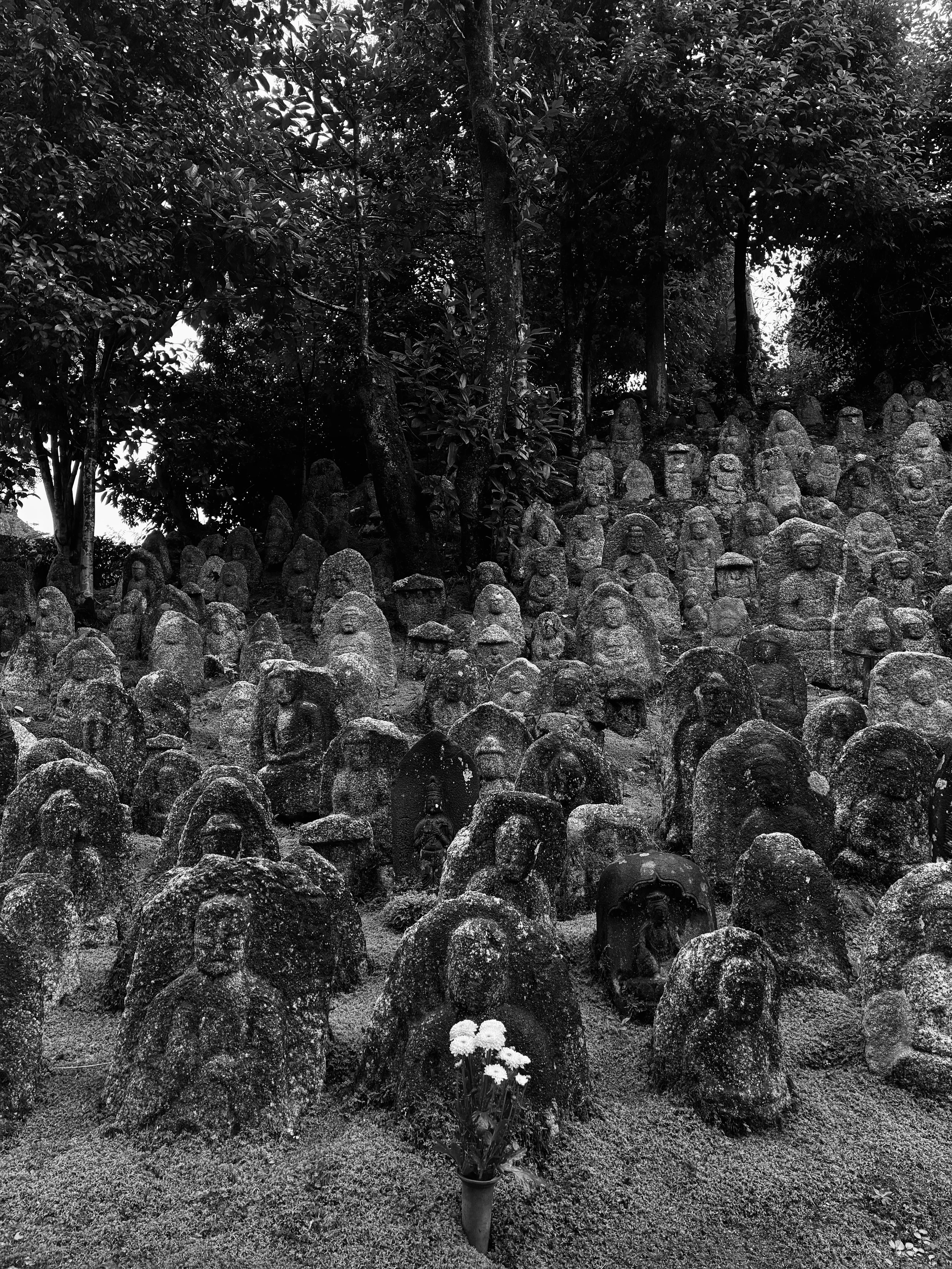
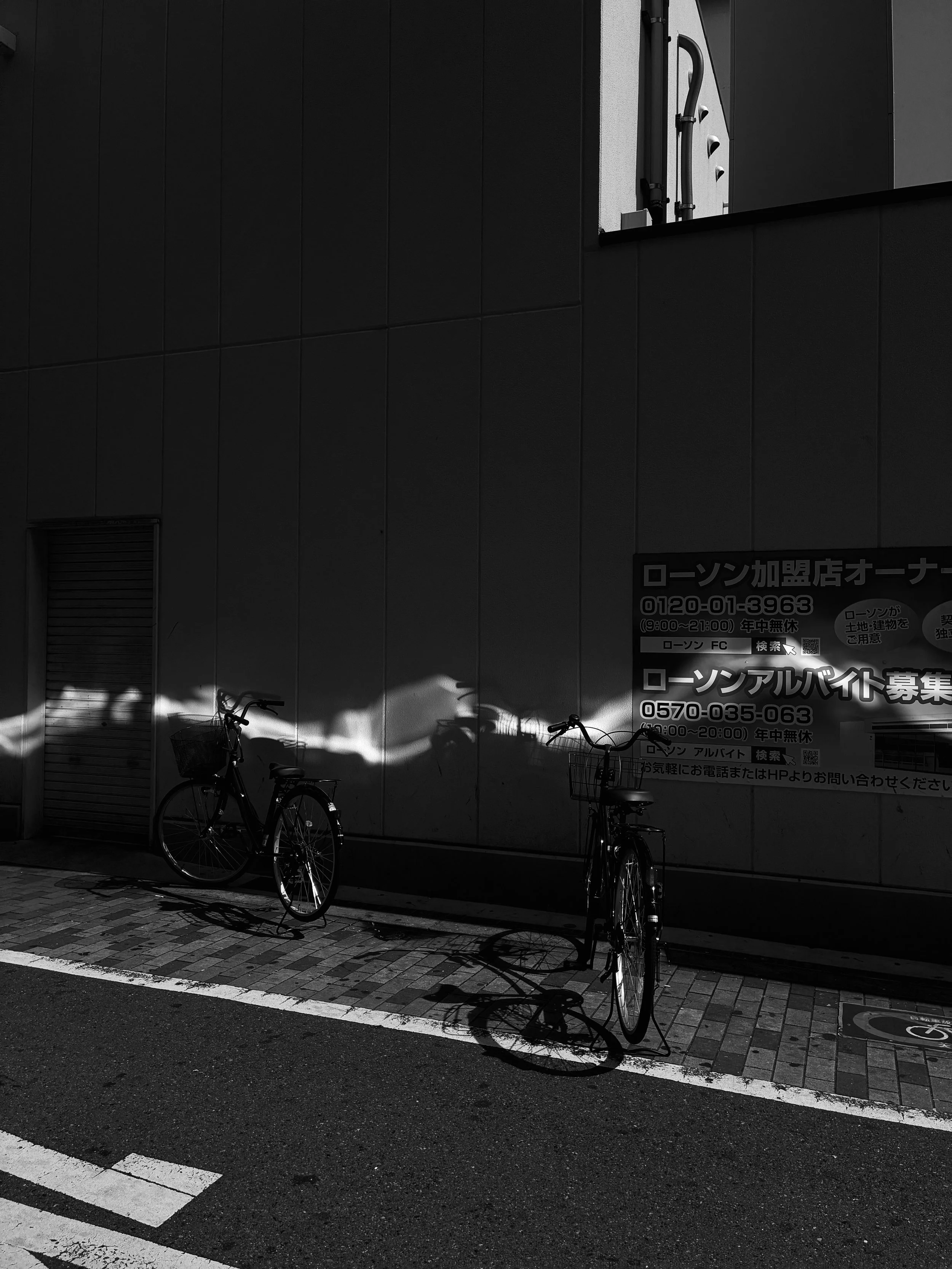
In Japan, rules are clear, visible, rarely enforced violently and deeply internalised. Breaking rules produces psychological pressure, not external punishment. Example ; smoking only at designated areas (Kitsuenjo) is a small release, a bodily assertion, an act of momentary autonomy - It is relief under constraint. Japanese conformity operates less through force and more through anticipation of judgment, shame as preventative mechanism and constant self-correction.
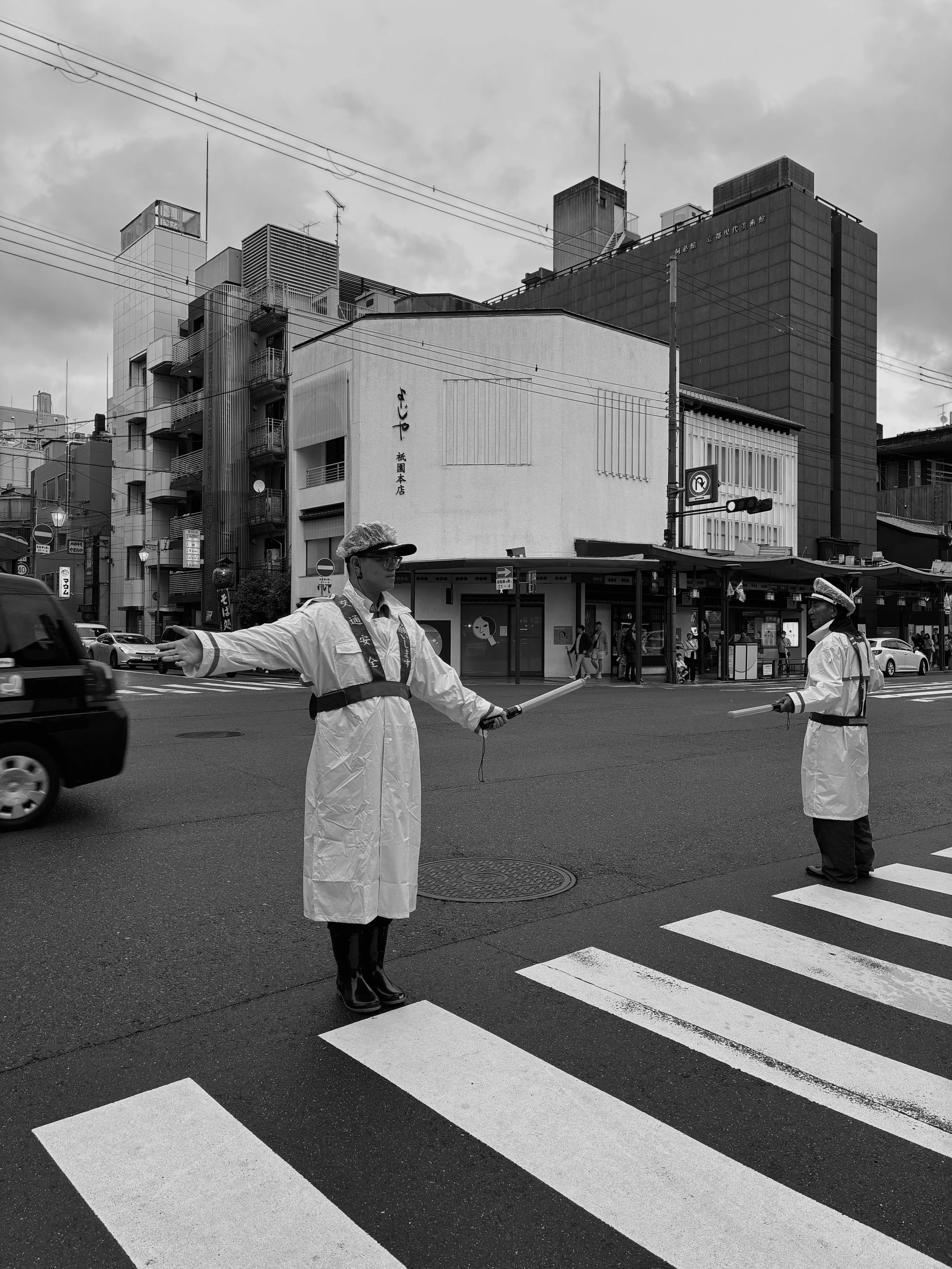
In Japan, the body learns the rules long before the mind names them. The people of Japan have learnt how to exist gently - not disappearing, not dominating, just occupying space with care.
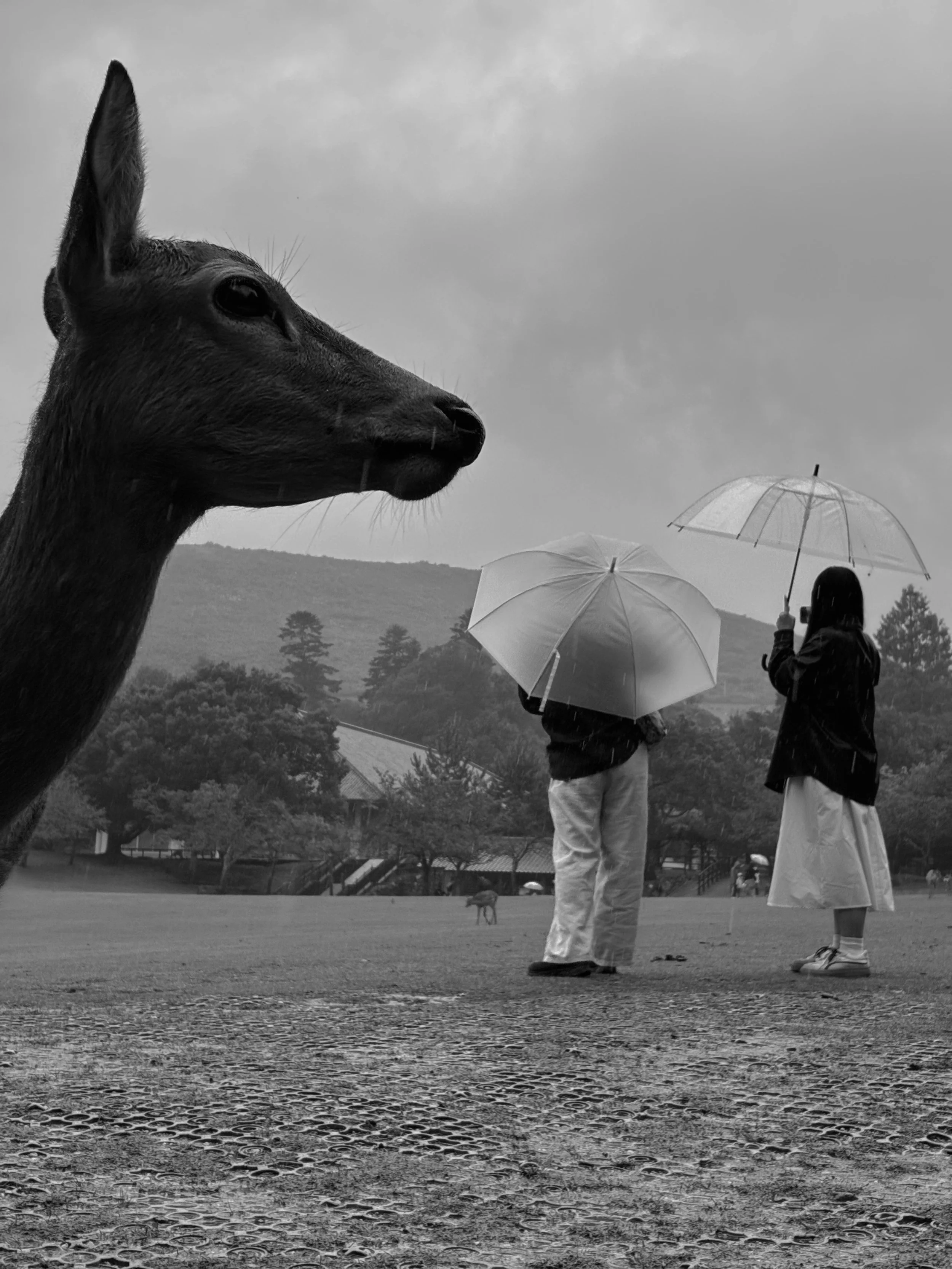
The work reflects a form of quiet isolation shaped by a culture that prioritises order, for a people who have inherited structure without promise, and order without intimacy.
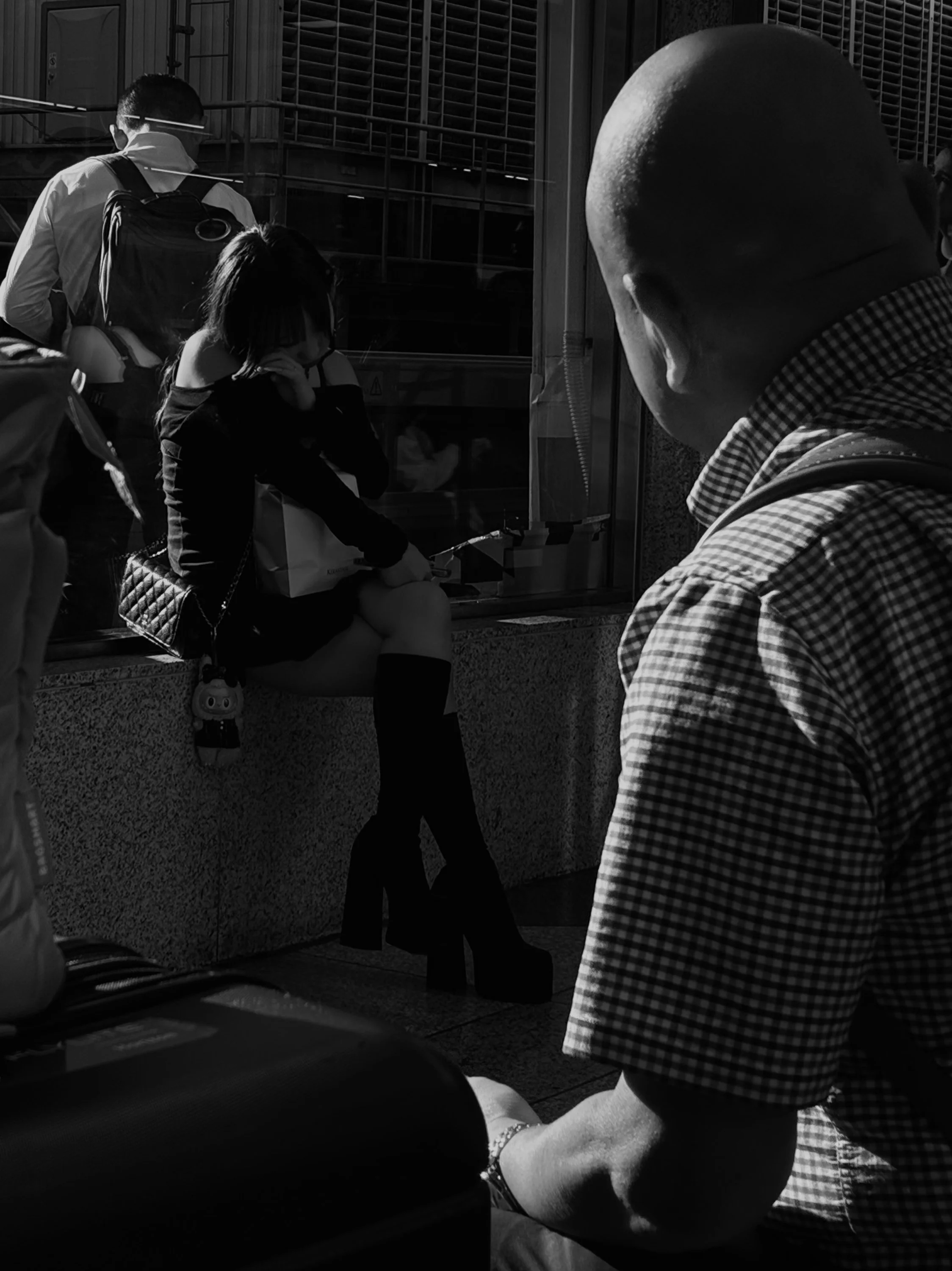
Japan’s tourism mess is not disorder—it is hyper-order under pressure. A society engineered for restraint is being asked to absorb excess without rupture. What looks efficient on the surface conceals a quiet psychosocial fracture underneath.
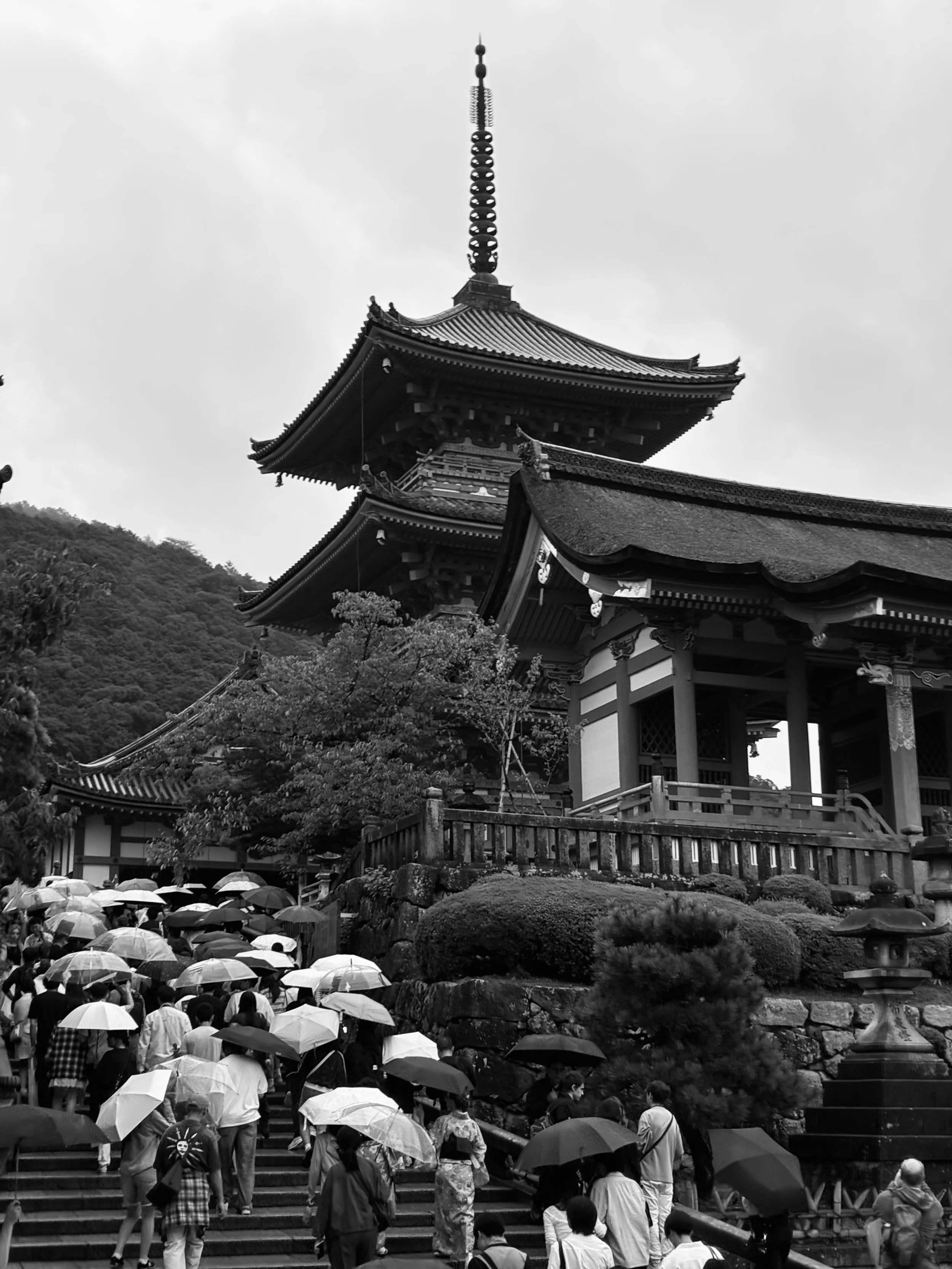
Japan welcomed a record number of tourists in 2025, with figures surpassing 40 million visitors for the full year, a first for the country, as reported by the Japan National Tourism Organization (JNTO) by the end of November.